Poker Final Table Strategy For Real Money Play

When the blinds climb and only a handful of you remain, the game changes completely. That moment is where poker final table strategy separates a solid session from a costly one. Across my forty years on the floor, from regional New South Wales clubs to high-volume Sydney pits, I have watched players lose big stacks not because their cards ran cold, but because they forgot how to manage pressure when the table shrinks. The final six or nine hands demand a different mindset, and the decisions you make there carry the most weight.
Position Is The Real Edge Before The Bubble
Most players obsess over hole cards, but the real advantage at a final table is where you sit relative to the blinds and the stack depths. I have trained dealers and pit staff across four regions, and the same principle holds in every jurisdiction: late position lets you control pot size and steal blinds without risking your whole stack. When you are short, you cannot wait for perfect hands, and when you are deep, you can afford to let others gamble against you. The player on the button at a final table holds the most information, and that information is worth more than a pair of kings in early position.
The mistake I see repeatedly is players calling too wide from the blinds because they feel they have already invested money. That is a sunk-cost trap. Once you are in the blind, your odds of winning the pot outright are limited, and a final table is not the place to rescue a bad position with hero calls. Instead, use your positional awareness to tighten up when the stacks behind you are deep, and loosen slightly when the table is short and the blinds are eating everyone alive. A line hit on a single active payline in a video poker side game might feel like a small win, but at a final table, every chip counts toward survival, not entertainment. crocoplaylogin.com
Stack Sizes Drive Every Final Table Decision
The second pillar of poker final table strategy is understanding how your stack compares to the blinds and to the other remaining players. When you are under twenty big blinds, your range compresses, and you need to look for spots where you can get all-in with a reasonable edge. When you are over fifty big blinds, you can play more post-flop and put pressure on shorter stacks without committing everything immediately. The players who survive final tables are the ones who adjust their ranges to their stack depth, not the ones who play the same way regardless of the numbers.
I have sat through shifts where a single player tried to play medium stacks like they were deep, and the result was always the same: they got trapped in big pots and lost to a shorter stack that pushed at the right moment. The fix is simple but uncomfortable. Accept that medium stacks are in a dangerous middle ground, and either commit to building them up with disciplined value betting or start tightening up to preserve what you have. The players around you will notice if you are predictable, and at a final table, predictability is a liability. A single roulette number has a 1-in-37 chance on a European wheel, which is a useful reminder that even seemingly clear odds still leave plenty of room for variance, and final tables are full of that same variance.
- Short stacks should look for all-in or fold spots rather than trying to play complex post-flop pots
- Medium stacks need a clear plan to either build or preserve, not a middle-ground approach that gets them trapped
- Deep stacks can apply pressure selectively and let shorter stacks make mistakes against them
- Position matters more than hand strength when the blinds are climbing and the table is shrinking
Reading The Table And Managing Your Own Tilt
The third element of poker final table strategy is reading the other players and keeping your own head in the game. By the time you reach a final table, you have seen enough hands to start mapping who plays tight, who bluffs too often, and who gets shaky when the blinds climb. That information is gold, and it is worth more than any single hand you hold. I have seen players lose a solid stack because they got tilted after a bad beat and started playing their emotions instead of the table.
The practical way to handle that is to build small routines into your play. Take a breath before you act, especially when you are in a big pot and the decision is close. Look at what the other players have done in similar spots before, not just what they did on the last hand. If someone has been folding to steals all session and then suddenly raises big, that is a signal, not a coincidence. The players who win final tables are the ones who stay observant and disciplined, not the ones who chase losses or try to force action when the table is not giving it to them.
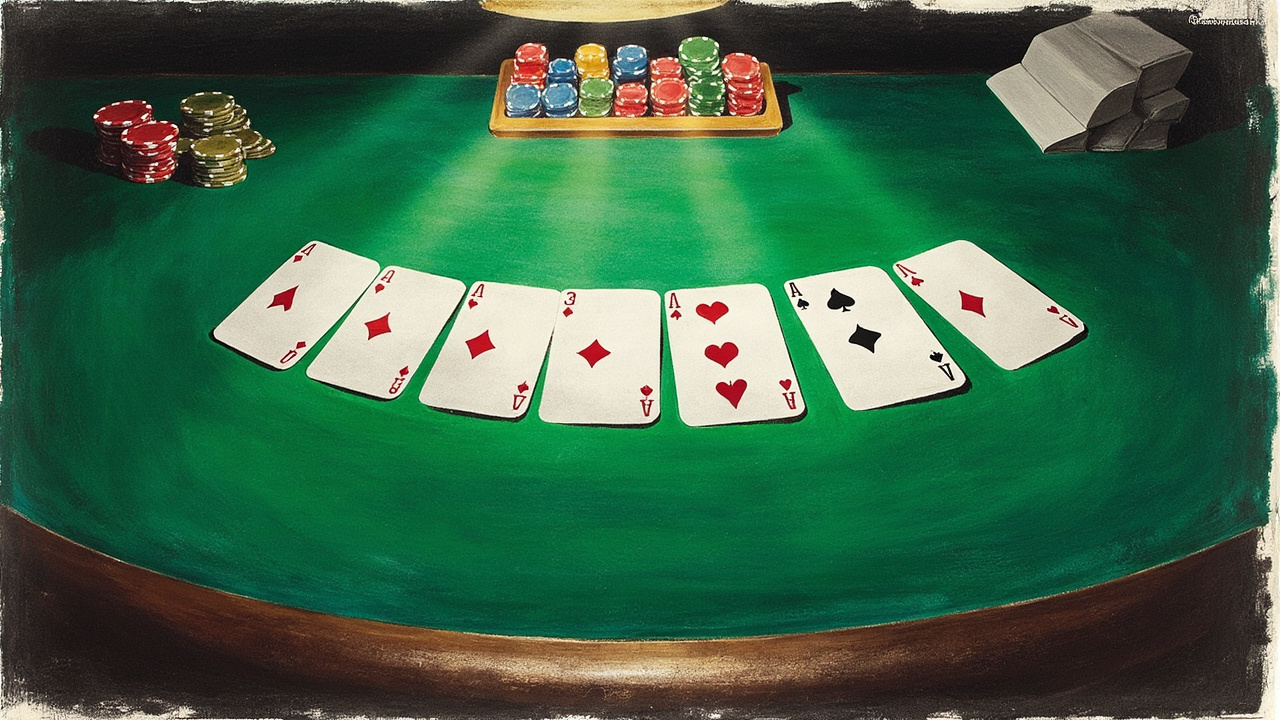
Cash out values are derived from live market prices, which is a useful reminder that real value is set by the market and the moment, not by what you wish the chips were worth. At a final table, that means you should think about what your stack is actually worth in the current environment, not what it might be worth if you keep grinding. Sometimes the best move is to tighten up and wait for a clear spot, and sometimes it is to push hard when the table is vulnerable. The key is to make the decision based on what is happening at the table, not on what you hope happens next.
Who Should Play Final Tables And Who Should Step Back
Poker final table strategy is not for everyone, and that is a fair call to make before you sit down. If you are a player who gets restless when the action slows, or who likes to gamble with your whole stack on a feeling, a final table is going to be a rough place. The players who do well are the ones who can sit through long stretches of folding, wait for the right spots, and then act decisively when the table gives them an edge. That is a specific skill set, and it is not the same as being good at early-stage cash games or tournaments.
If you are playing for real money and you want to treat the final table seriously, start by understanding your own stack management and your own tilt triggers. The players who survive and thrive are the ones who know when to push and when to hold back, and who can read the table without letting their emotions run the show. If that sounds like your style, final tables can be a rewarding place to play. If it does not, there is no shame in stepping back and playing a different format that suits you better.
I have trained dealers and pit staff across four regions, and the same principle holds in every jurisdiction: the players who last are the ones who respect the structure of the game and play within their own limits. That is the real takeaway from poker final table strategy, and it is the kind of judgement call that keeps you in the game when the pressure is highest.
If you are ready to put that approach to work, you can find a practical entry point at crocoplaylogin.com, where the registration and mobile setup are straightforward enough to get you moving without fuss. The cashier supports a clean flow for deposits and withdrawals, with clear limits and a verification step that keeps everything above board. The bonus mechanics are tied to clear terms, and the loyalty program rewards regular play without making the rules hard to follow. Support is available when you need it, and the overall setup is built for players who want to focus on the game rather than the paperwork.